DRYVE Materials Glossary

Electrolyte

The electrolyte in a battery is the medium that allows ions to flow between the positive and negative electrodes during charging and discharging. In a typical lithium-ion battery, the electrolyte is a liquid solution consisting of a lithium salt (like LiPF₆) dissolved in organic solvents (like a mixture of carbonates such as EC, DMC, etc.). The electrolyte must be chemically stable within the battery’s operating voltage window and temperature range, and assist with forming a stable solid electrolyte interface (SEI) on the anode electrode. The properties of the electrolyte—ionic conductivity, viscosity, electrochemical stability, etc.—greatly affect a battery’s performance, including its internal resistance, operating temperature range, charge rate, and safety.

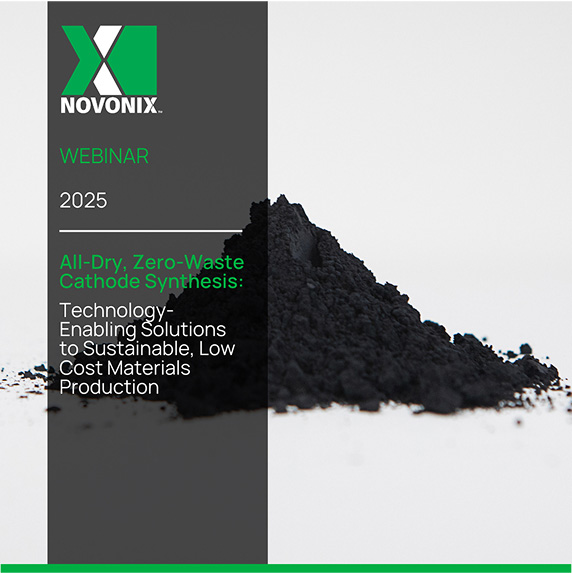
Free On-Demand Webinar

All-Dry, Zero-Waste Cathode Synthesis: Technology-Enabling Solutions to Sustainable, Low Cost Materials Production

Watch the on-demand webinar with Dr. Mark McArthur, Director of Technology for Dryve Battery Materials, as he explores how our patented all-dry, zero-waste synthesis method is revolutionizing lithium-ion battery cathodes. Learn how this innovative process produces high-performance, single-crystal NMC powders without using liquids, optimizing both battery cost and sustainability.

To access the webinar, please fill out the form below. 

"*" indicates required fields

This field is for validation purposes and should be left unchanged.
By providing your email, you agree to receive updates and insights from Dryve Battery Materials. Unsubscribe at any time.