Stay up to date with the latest press releases, articles, and industry insights from Dryve Battery Materials, and find upcoming events where our team is speaking and engaging with the battery materials community.
To download the whitepaper, complete the form below.
"*" indicates required fields
Discover pCAM-Free, Dry Cathode Synthesis.
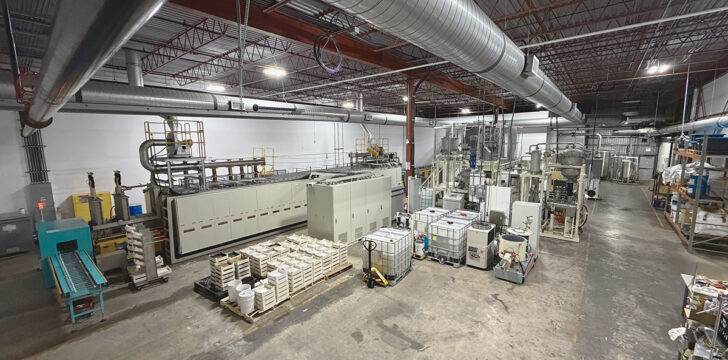
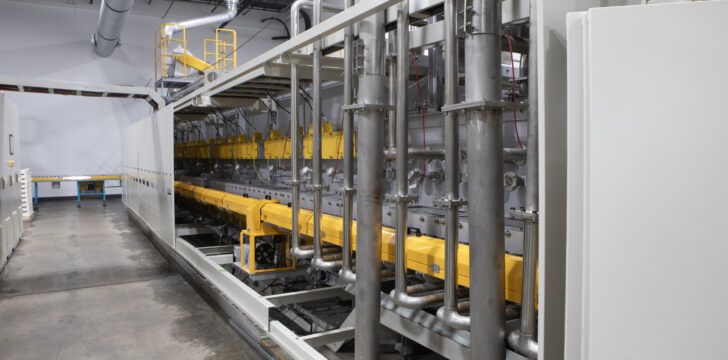
Our latest white paper presents a practical demonstration of pilot scale synthesis of single crystal mid-nickel LiNi0.6Mn0.3Co0.1O2 (SC NMC631) cathode active material using Dryve Battery Materials’ patented dry, pCAM-free technology. Results demonstrate that Dryve’s NMC631 CAM can be a competitive alternative to today’s best-performing commercial material.
A patented breakthrough. A world-first, fully scalable method for producing precursor-free NMC cathode powders.
A sustainability game-changer. No water. No complex reagents. No sodium sulphate or ammonia byproducts. A dramatically smaller manufacturing footprint.
A cleaner supply chain. Reduced land use, lower power consumption, and a more efficient, cost-effective process.
Broad chemistry compatibility. Designed for NMC, NCA, and LMR.